 Sport Yacht
Pershing
82′ Pershing 82Milagros
- Year
- 2013
- LOA
- 82 ft
- Location
- Miami Beach, FL
$3,200,000View listing
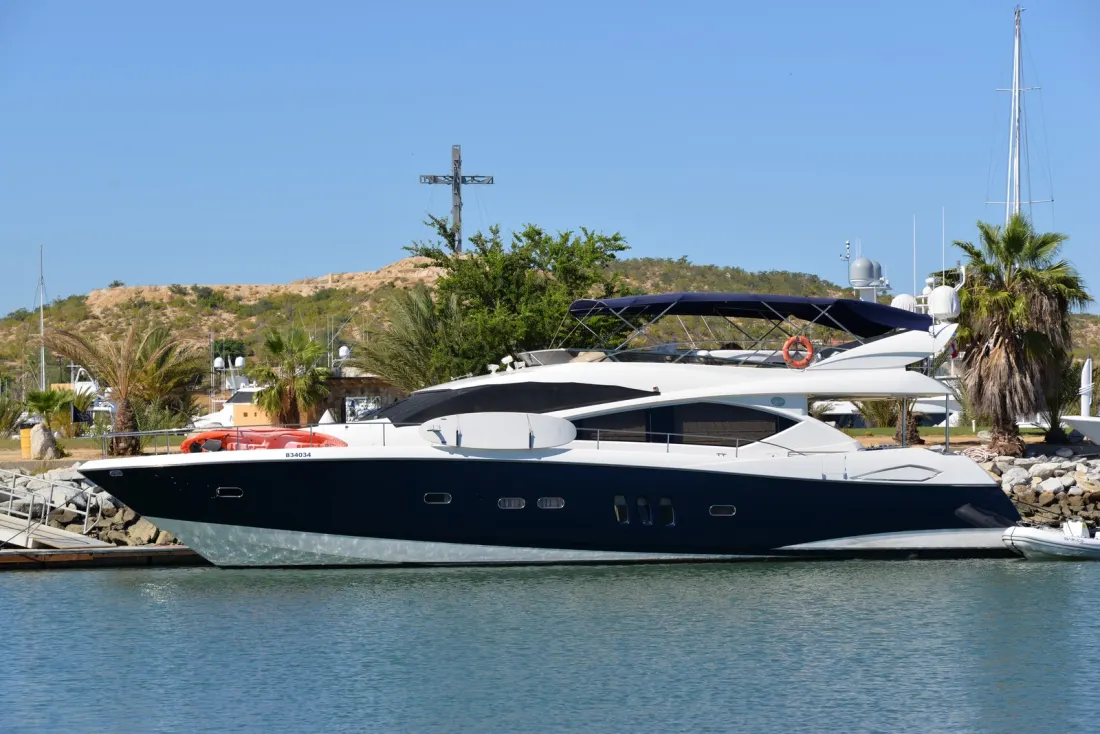
Pre-owned yachts
A pre-owned yacht can offer excellent value, established equipment and immediate availability. The key is understanding the boat’s real condition and history before you commit.
A pre-owned yacht may cost less than a comparable new one, may already include valuable upgrades and equipment, and is often available without a build wait. It can also open the door to discontinued models with qualities buyers still value. None of that matters, though, unless the boat’s condition matches its price.
Fresh paint, new cushions and a detailed interior make a strong first impression, but they say little about engines, wiring, structure or plumbing. Judge a pre-owned yacht on evidence: records, inspection and survey findings.
| Area | What to look for |
|---|---|
| Previous ownership | Number of owners, length of ownership, how and where the boat was used and kept. |
| Maintenance history | Service invoices and logs that match the hours and the work claimed. |
| Engine hours | Hours read alongside service records; oil analysis and specialist inspection. |
| Equipment upgrades | Dates, invoices and installation quality of new electronics, systems and appliances. |
| Hull & structure | Out-of-water inspection, moisture readings, signs of impact or repair, running gear. |
| Mechanical systems | Engines, generators, steering, thrusters, stabilizers, pumps, hydraulics. |
| Electrical systems | Wiring condition, batteries, chargers, shore power and corrosion. |
| Navigation equipment | Age and function of radar, plotters, autopilot, VHF and instruments. |
| Safety equipment | Life rafts, fire systems, bilge pumps and alarms — including certification dates. |
| Documentation | Ownership, registration, liens, flag and Mexican import status. |
Every survey finds something. Separate safety-critical items from routine maintenance and cosmetic issues, get estimates for significant work, and decide whether to renegotiate, request repairs or proceed. Keep an initial repair and upgrade budget in your plans.
Where appropriate, a sea trial lets the surveyor and engine specialist observe the yacht under load — temperatures, vibration, steering, systems and handling. Plan it in conditions representative of your intended use.
Engage a qualified, independent marine surveyor and, where relevant, engine, generator, rigging or electronics specialists. An inspection and survey reduce risk; they cannot eliminate every possible problem. See our marine survey guide and questions to ask before buying.
Current inventory
Every listing shows its source; confirm price and availability with the brokerage.
Sport YachtPershing
 Motor Yacht
Lazzara
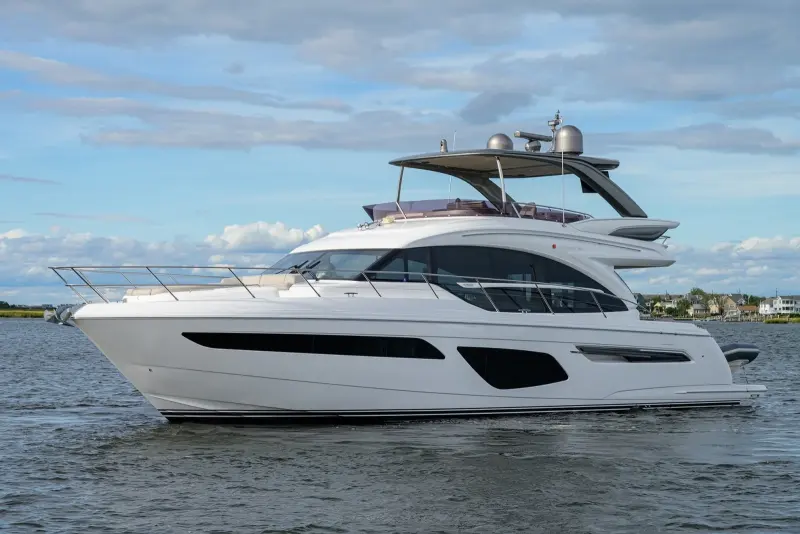 Flybridge Yacht
Princess
FAQ
Not inherently. Many pre-owned yachts are well maintained and excellent value. The risk lies in unknown condition and history, which is why an independent survey, mechanical inspection, documentation review and sea trial matter so much.
There is no universal number. Engine type, maintenance history and how the boat was used matter more than hours alone. A qualified engine surveyor or technician can assess condition, often with oil analysis.
No. A survey reduces risk by identifying visible and testable issues, but it cannot detect everything. Hidden defects can remain, which is why surveyors describe the limits of their inspection in the report.
Yes. Most pre-owned purchases involve some work. Use the survey findings to estimate an initial repair and upgrade budget, and consider it in your negotiation.
Ask for them early. Organized records are a positive sign; missing records are not necessarily a deal-breaker but should lead to closer inspection.